


Nutrition counseling for eating disorders, complex trauma, & dissociative disorders
Nutrition counseling that goes beyond meal plans.
Does it feel like there is no dietitian or nutrition professional that truly grasps what you’re experiencing?
Our dietitians are trained in the Embodied Recovery for Eating Disorders model, which is a trauma-informed, body-based framework that recognizes that we can’t just “think our way” out of an eating disorder.
Many of our clients come to us after trying traditional, cognitive-based treatment and still feeling stuck. Our work focuses on what those approaches often miss: how the body, nervous system, and lived experience shape eating in real time.
Our Nutrition Counseling Services
We offer nutrition counseling services for a range of eating-related concerns. Care is tailored to each person’s needs.
-
Prolonged restrictive eating is both physically and emotionally harmful. However, this scientific fact is often overshadowed by cultural, medical, and social pressures to lose weight and fit our bodies into a one-size-fits-all mold. Through shifting the lens to embodiment, curiosity, self discovery (and nutrition science!) we help clients discover how to nourish themselves in ways that support health in all definitions of the word.
Essentially weight inclusive nutrition means we focus on the WHOLE picture, not just what the scale says.
-
We provide a safe and compassionate space to move towards healing through nutrition therapy. We have experience working with the spectrum of eating disorders and disordered eating, and are committed to an individualized and collaborative approach to treatment and recovery from an eating disorder. Our dietitians are trained in the Embodied Recovery for Eating Disorders model, which is a trauma-informed, somatically oriented framework that allows for the understanding that we can’t just “think our way” out of an eating disorder!
-
Do you feel at war with your body, and have a love/hate relationship with food? Disordered eating often goes unnoticed in today’s society, because diet culture teaches us it’s normal to feel this way. There is another way to be with food, one that is easy and peaceful. Through the process of supporting increased embodiment, we will help you re-connect with your body and develop new eating behaviors.
-
Parents feel an enormous amount of pressure to raise “healthy eaters”. As parents ourselves, we understand this pressure well! Yet sometimes the very recommendations that seem like common sense don’t work well in practice – controlling portions, keeping sweets out of the house, and putting pressure on trying vegetables are all strategies that sound good in theory, but tend to backfire. If you are getting in “food fights” with your kids, noticing they are sneaking or hiding foods, or have concerns about their growth patterns, family feeding coaching may be helpful. We utilize Ellyn Satter’s evidence-based Division of Responsibility model to help parents do their part in feeding so that kids grow up to be competent, joyful eaters.
-
We have extensive experience working with clients with Type1, Type2, and gestational diabetes in inpatient and outpatient settings. We understand that learning to manage blood sugar is a process; in addition to providing education for blood sugar management, we offer ongoing feedback and support to help you make changes that are sustainable for long-term success.
-
Those who struggle with eating disorders as a part of living with Dissociative Identity Response - we see you and we believe you. The RDs at Second Breakfast are committed to learning about how to best support our clients whose EDs are connected in complex ways to trauma and dissociation. Our RDs are members of the ISSTD (International Society for the Study of Trauma and Dissociation) and on the executive committee of the ED SIG within that organization. Annie has presented twice at and annually attends the Healing Together conference hosted by An Infinite Mind. Most importantly, SBN clinicians are honored to listen to and learn from those who live with dissociative identity response; they are by far our greatest teachers.
Using Insurance for Nutrition Counseling
Second Breakfast Nutrition is in-network with many Blue Cross Blue Shield and Aetna plans, including the Aetna NC State Health Plan.
Many of our clients are able to receive nutrition counseling fully covered by their insurance, with no out-of-pocket cost.
Insurance can be confusing, so we’ll give you a list of questions to ask your insurance company to help you understand your nutrition counseling benefits before getting started.
Coverage varies by plan, and we also offer self-pay options and superbills for clients using out-of-network benefits.
Aetna Commercial Plans
Aetna NC State Health Plan
Blue Cross Blue Shield
PLEASE NOTE: BCBS of South Carolina does not typically cover nutrition counseling services.
Meet Our Dietitians
-
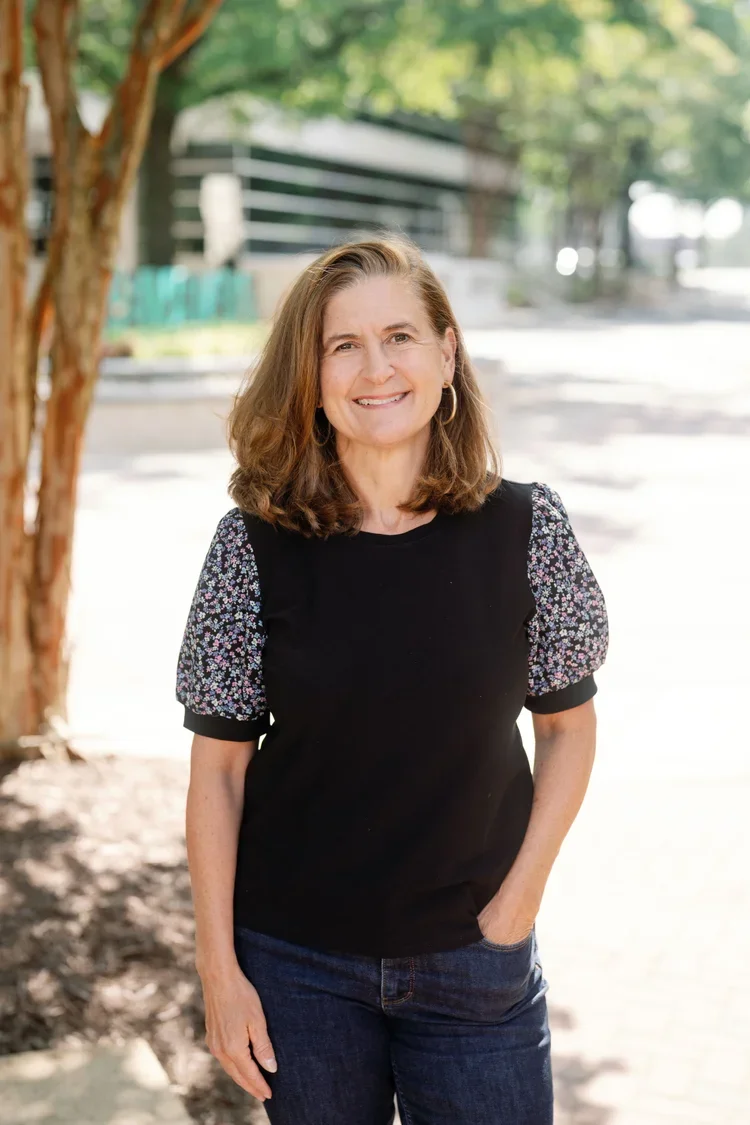
![Annie Goldsmith, MS, RD, LDN, owner of Second Breakfast Nutrition and eating disorder dietitian in Charlotte NC specializing in trauma-informed, weight-inclusive care]()
Annie Goldsmith, RDN, LDN
-
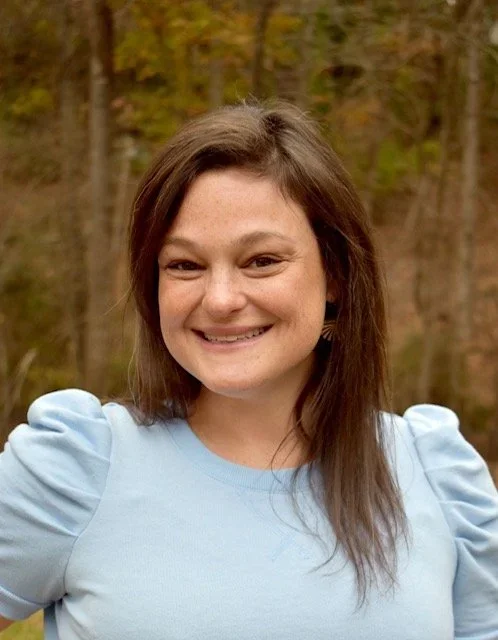
![Ashley Roehrig, MS, RD, LDN, trauma-informed eating disorder dietitian in North Carolina specializing in chronic dieting and disordered eating recovery]()
Ashley Roehrig, MS, RDN, LDN
-
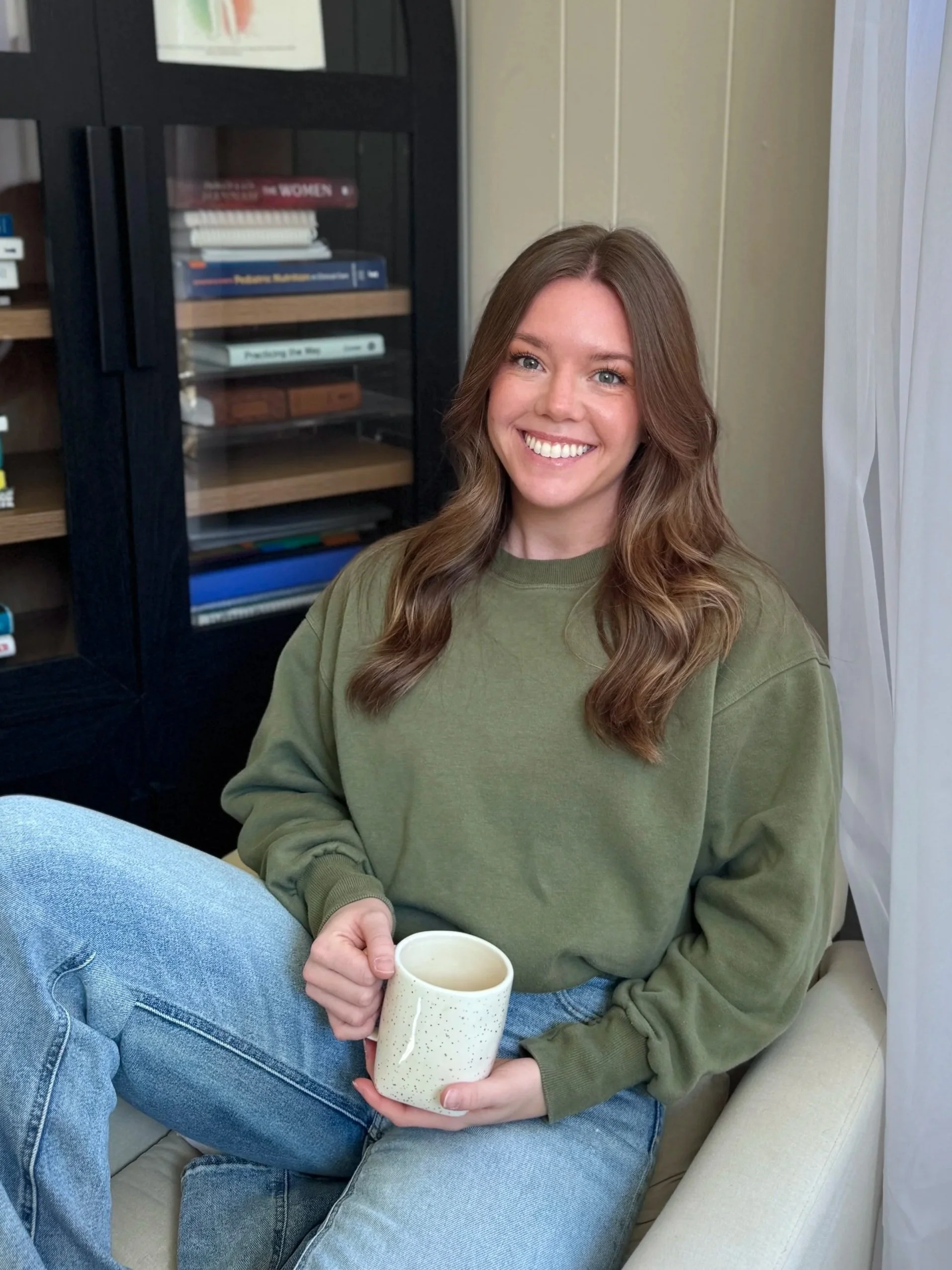
![Hailee Willis, MS, RD, LDN, weight-inclusive dietitian in Charlotte NC offering virtual support for eating disorders and intuitive eating]()
Hailee Willis, RDN, LDN
-
![Katie Schwartz, MS, RD, LDN, eating disorder dietitian in Charlotte NC offering trauma-informed virtual nutrition counseling]()
Katie Schwartz, MS, RDN, LDN
-
![Katrina Seidman, MS, RD, LDN, Charlotte NC dietitian providing virtual nutrition counseling for eating disorders and body image concerns]()
Katrina Seidman, MS, RDN, LDN
-
![A woman with blonde hair smiling, sitting on the floor in a brown ribbed knit dress with a belt, in front of large potted plants. She has a phone tucked into her dress and is wearing beige and black high heels.]()
Maureen Gately, MS, RDN, CEDS

Curious about the next steps?:
Frequently Asked Questions
-
Yes. We are in-network with many BCBS and Aetna plans. If we are out-of-network for you, we can provide superbills for possible reimbursement. We also offer self-pay options.
-
Yes! Our dietitians offer virtual nutrition counseling in a number of states. Where we’re able to work with you depends on the individual dietitian’s licensing and your location.
You can visit our Team page to see where each dietitian is licensed and find someone who may be a good fit.
Our team currently works with clients in: Alaska, Arizona, California, Colorado, Connecticut, Hawaii, Idaho, Indiana, Massachusetts, Michigan, New Hampshire, New York, North Carolina, Oklahoma, Oregon, Pennsylvania, South Carolina, Texas, Utah, Vermont, Virginia, Washington, West Virginia, Wisconsin, and Wyoming.
-
We specialize in eating disorders, disordered eating, chronic dieting, body image distress, and trauma-informed nutrition care, including work with CPTSD and dissociation.
Read more about each dietitian’s special interests here
-
Yes, however, we practice from a weight-inclusive lens. We do not prescribe weight loss as a goal, but we can explore health concerns, nutrition behaviors, and medical needs in a way that centers well-being rather than body size.
Read more about our approach here.
-
You don’t need a diagnosis to reach out. If food, body image, or eating patterns are taking up space in your life, that’s enough.
-
With your consent, yes. We value collaborative care, especially when trauma or complex mental health concerns are involved.