


Our Approach at Second Breakfast Nutrition
We believe that embodiment is at the root of a peaceful & nourishing relationship with food
Our work is grounded in the understanding that eating does not happen only in the mind. It is shaped by the body, lived experience, and the ways people have learned to survive in their environments.
Respect and dignity are foundational to how we practice.
We believe that nutrition is political. Systems of discrimination and oppression shape access to food, healthcare, and bodily autonomy, and they create real barriers to a peaceful relationship with food and body.
Our work reflects a commitment to serving people of all sizes, abilities, genders, religions, ethnicities, and races with care that honors identity, context, and lived experience.

Our practice is fully grounded in weight-inclusive care.
We reject the belief that a smaller body is inherently healthier or more valuable, and instead work from the understanding that all bodies are worthy of respectful, evidence-based nutrition care, regardless of size.
In addition to providing nutrition education, we support clients in unlearning harmful beliefs absorbed from a culture that prioritizes dieting and is intolerant of body diversity. This includes examining food rules, body judgment, and messages that interfere with nourishment and well-being.
Why "Second Breakfast"?
The name Second Breakfast Nutrition is a reference to J.R.R. Tolkien’s Hobbits, who offer a reminder about slowing down and enjoying the small pleasures in life. Hobbits eat second breakfast when they can, not out of guilt or lack of discipline, but out of attunement and enjoyment.
This serves as a metaphor for our nutrition philosophy. We encourage pleasure, mindfulness, permission, and self-compassion in the eating experience. Food is not something to earn or control, but something to relate to with curiosity and care.
Ready to find your dietitian?
-
![Annie Goldsmith, owner and dietitian at second breakfast nutrition is pictured smiling outdoors, wearing a light blue top with puffed sleeves, in a wooded area with fall foliage.]()
Annie Goldsmith, RDN, LDN
-
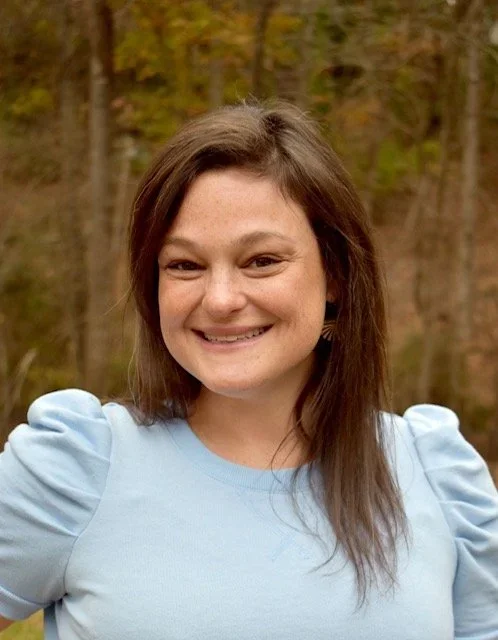
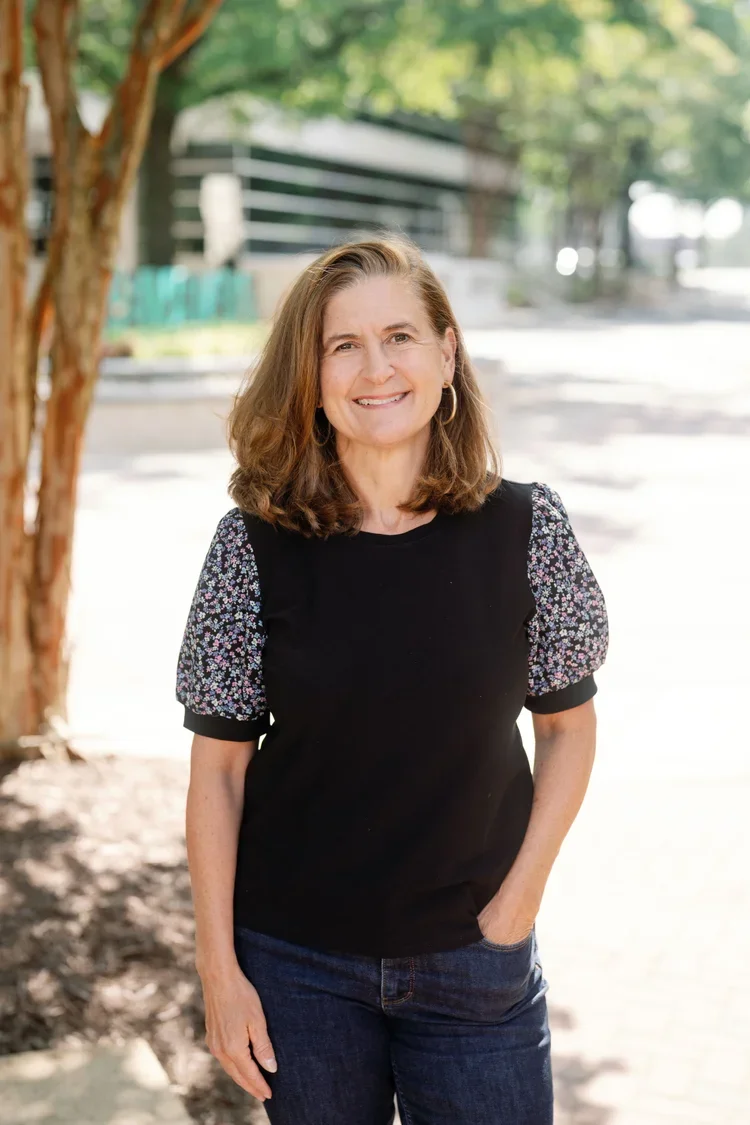
![A woman with shoulder-length brown hair, wearing a black top with floral-patterned puff sleeves and dark jeans, standing outdoors near a tree with a blurred background of buildings and greenery, smiling.]()
Ashley Roehrig, MS, RDN, LDN
-
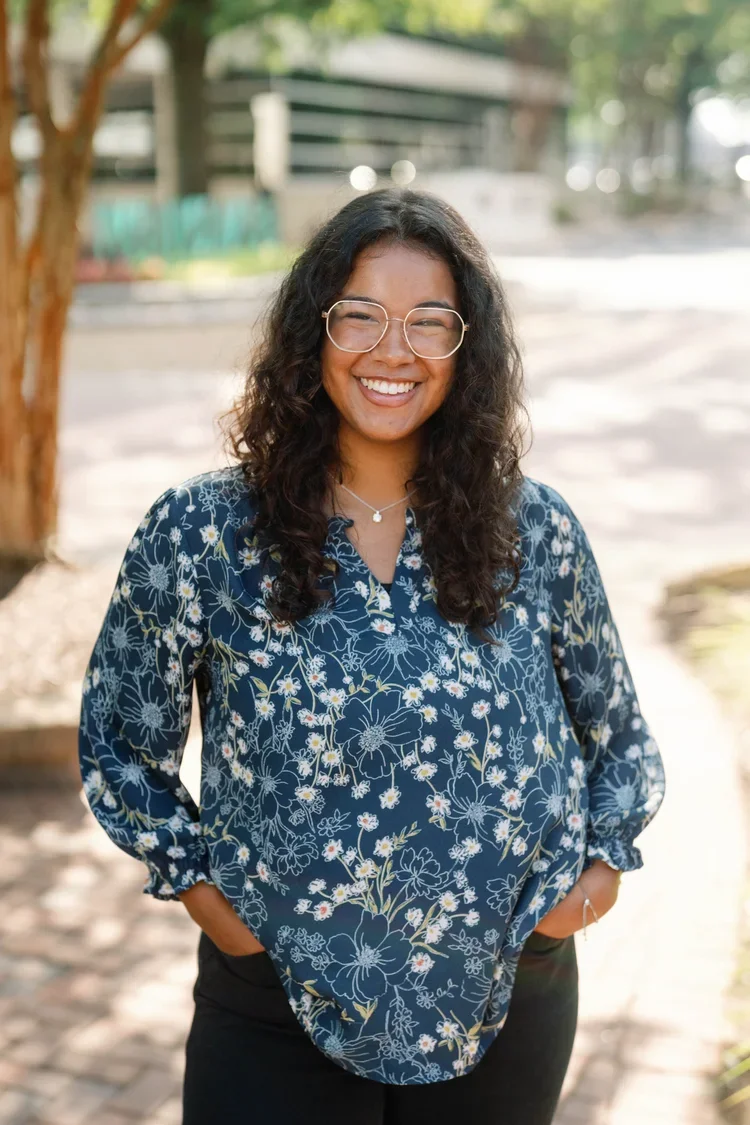
![Hailee Willis, dietitian, A woman with curly dark hair, wearing glasses and a floral blue blouse, standing outdoors with greenery and a building in the background, smiling.]()
Hailee Willis, RDN, LDN
-
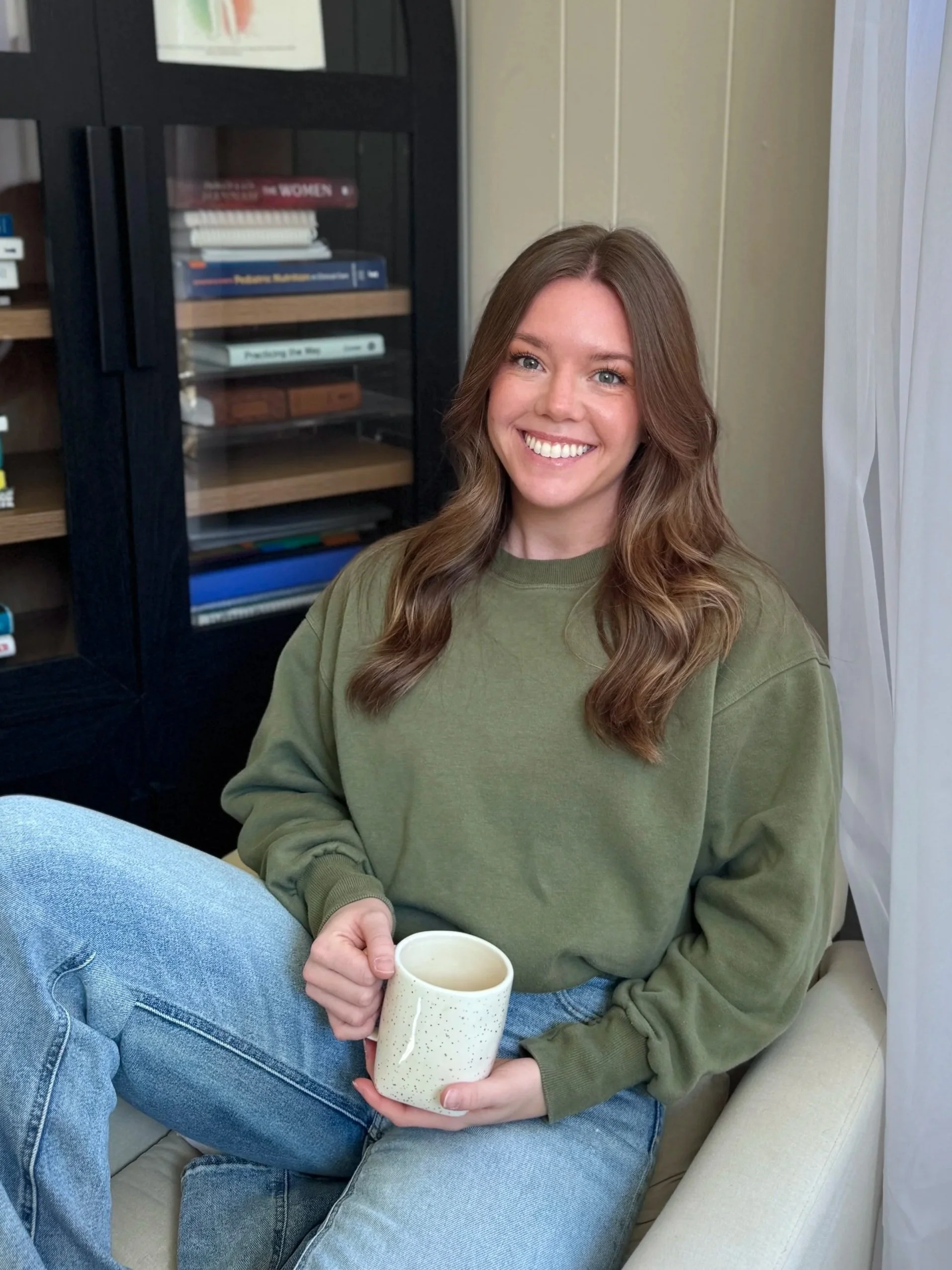
![A young woman with blonde, wavy hair smiling outdoors during autumn, wearing a beige sweater and blue jeans.]()
Katie Schwartz, MS, RDN, LDN
-
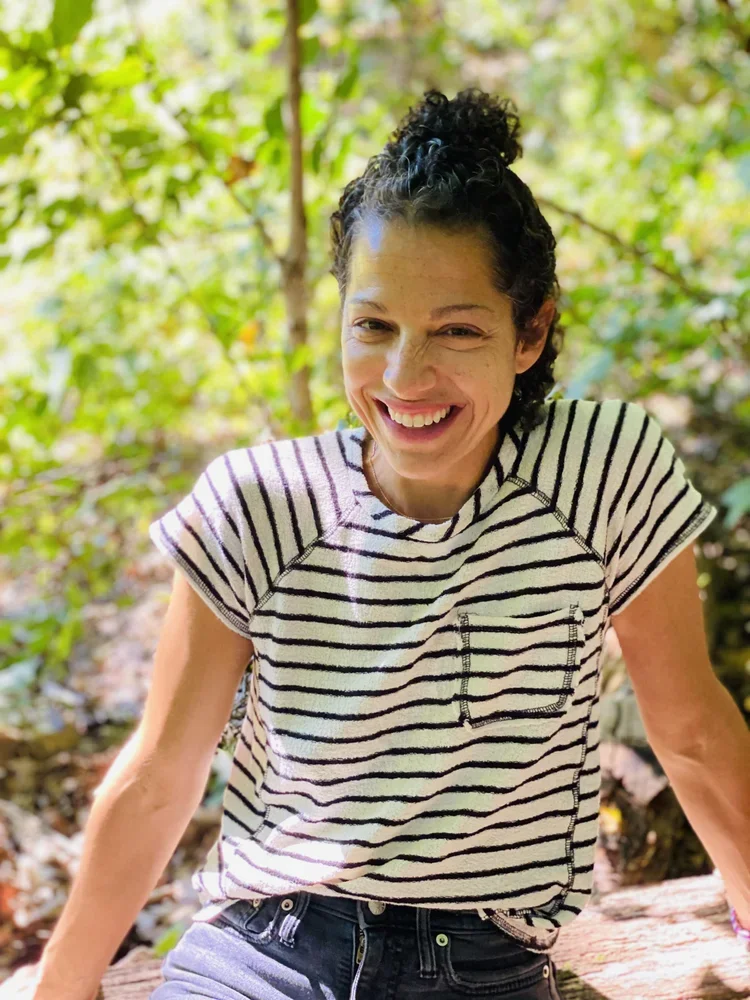
![Katrina Seidman, weight inclusive dietitian, pictured with curly hair tied up, smiling and winking, outdoors with green foliage in the background, wearing a striped t-shirt and dark jeans.]()
Katrina Seidman, MS, RDN, LDN
-
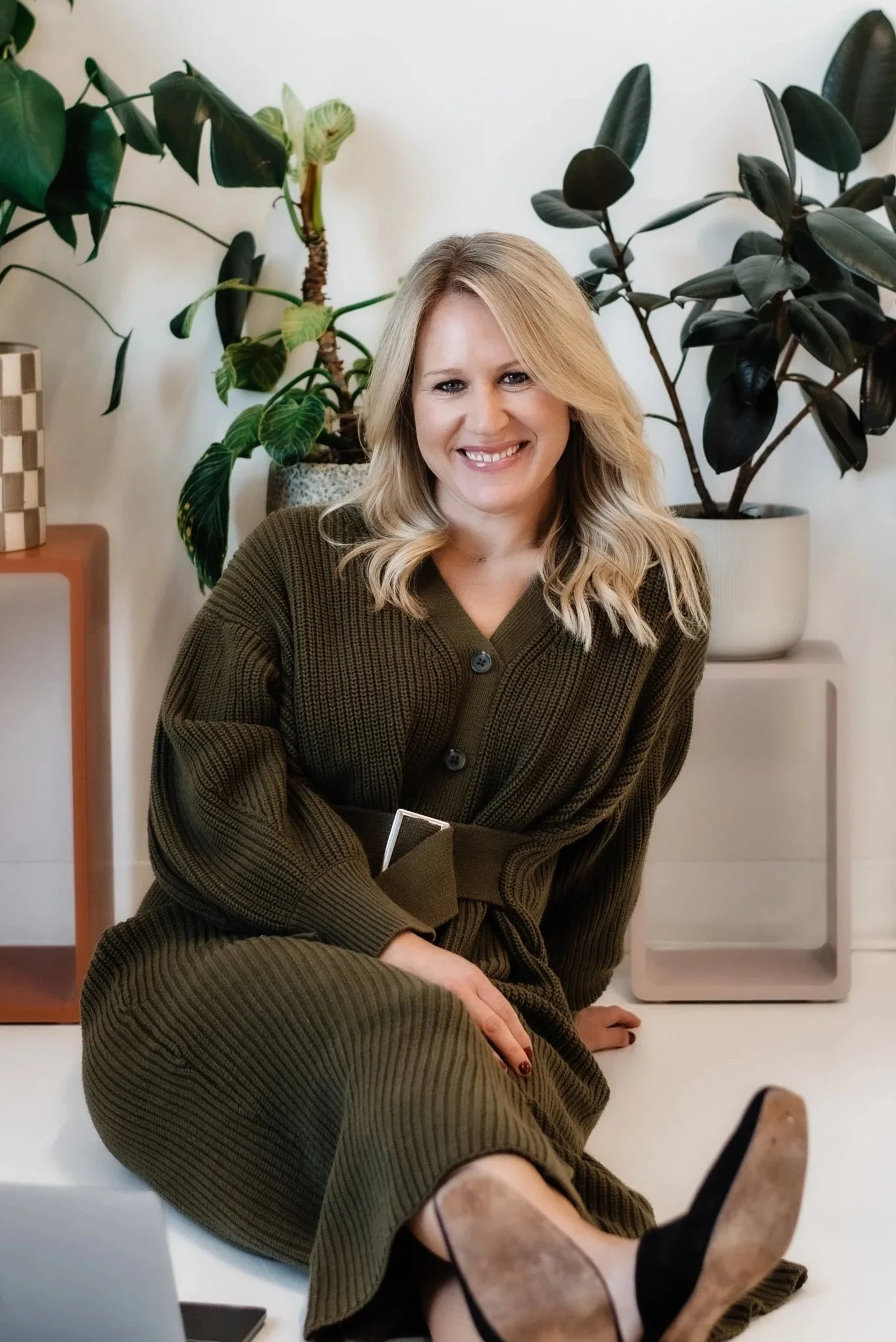
![A woman with blonde hair sitting on the floor, smiling, with green houseplants behind her.]()
Maureen Gately, MS, RDN, CEDS
Frequently Asked Questions
-
Yes. We are in-network with many BCBS and Aetna plans. If we are out-of-network for you, we can provide superbills for possible reimbursement. We also offer self-pay options.
-
We provide virtual sessions to clients located in states where our clinicians are legally able to practice.
This includes : Alaska, Arizona, California, Colorado, Connecticut, Hawaii, Idaho, Indiana, Massachusetts, Michigan, New Hampshire, New York, North Carolina, Oklahoma, Oregon, Pennsylvania, South Carolina, Texas, Utah, Vermont, Virginia, Washington, West Virginia, Wisconsin, Wyoming
-
We specialize in eating disorders, disordered eating, chronic dieting, body image distress, and trauma-informed nutrition care, including work with CPTSD and dissociation.
Read more about each dietitian’s special interests here
-
Yes, however, we practice from a weight-inclusive lens. We do not prescribe weight loss as a goal, but we can explore health concerns, nutrition behaviors, and medical needs in a way that centers well-being rather than body size.
Read more about our approach here.
-
You don’t need a diagnosis to reach out. If food, body image, or eating patterns are taking up space in your life, that’s enough.
-
With your consent, yes. We value collaborative care, especially when trauma or complex mental health concerns are involved.