


Our team of registered dietitians specializes in eating disorders, disordered eating, and weight-inclusive nutrition care. We offer virtual nutrition counseling in North Carolina and other states, with in-person options available in the Charlotte area.
Each dietitian brings their own areas of expertise, training, and state licensure. Explore our team below to find a provider who may be a good fit for you.
Meet Our Team
-
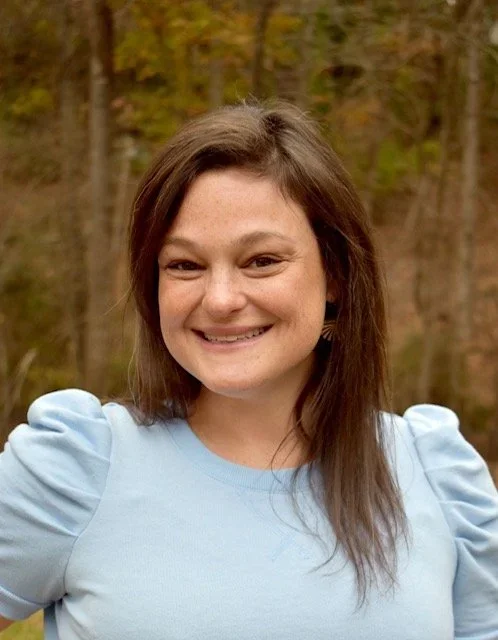
Annie Goldsmith, RDN, LDN, AP-ERED
FOUNDER & OWNER, NUTRITION THERAPIST & SUPERVISOR
-
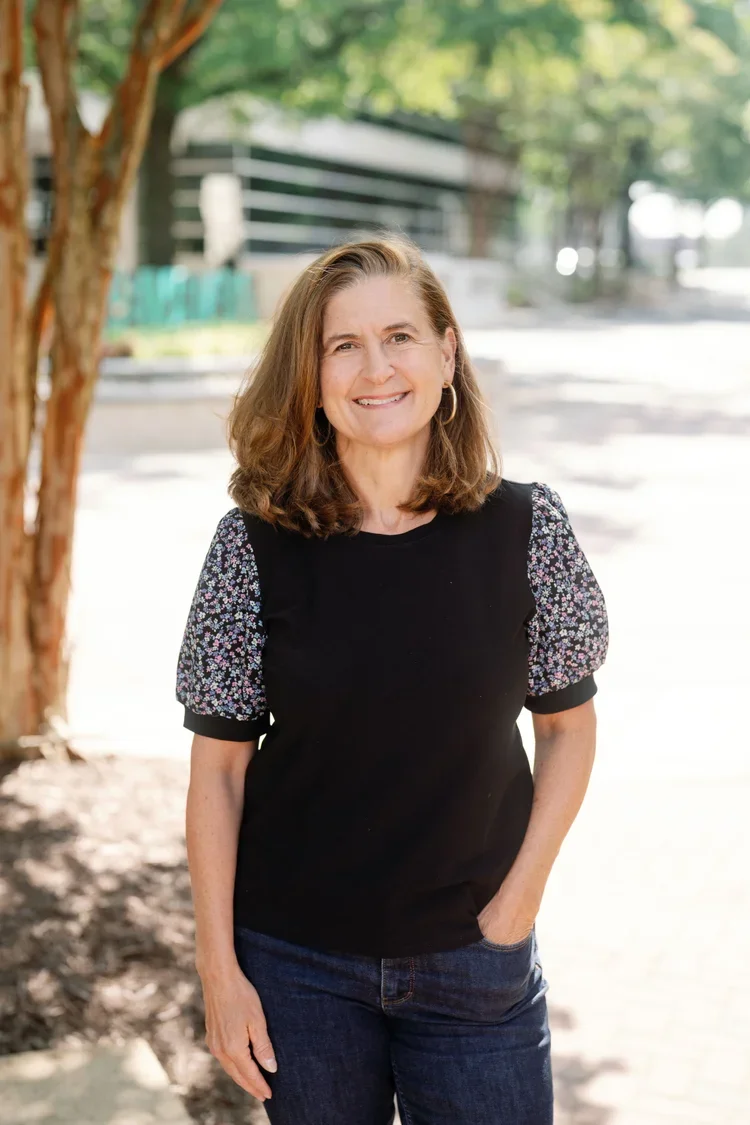
Ashley Roehrig, MS, RDN, LDN
CLINICAL COORDINATOR, NUTRITION THERAPIST & SUPERVISOR
-
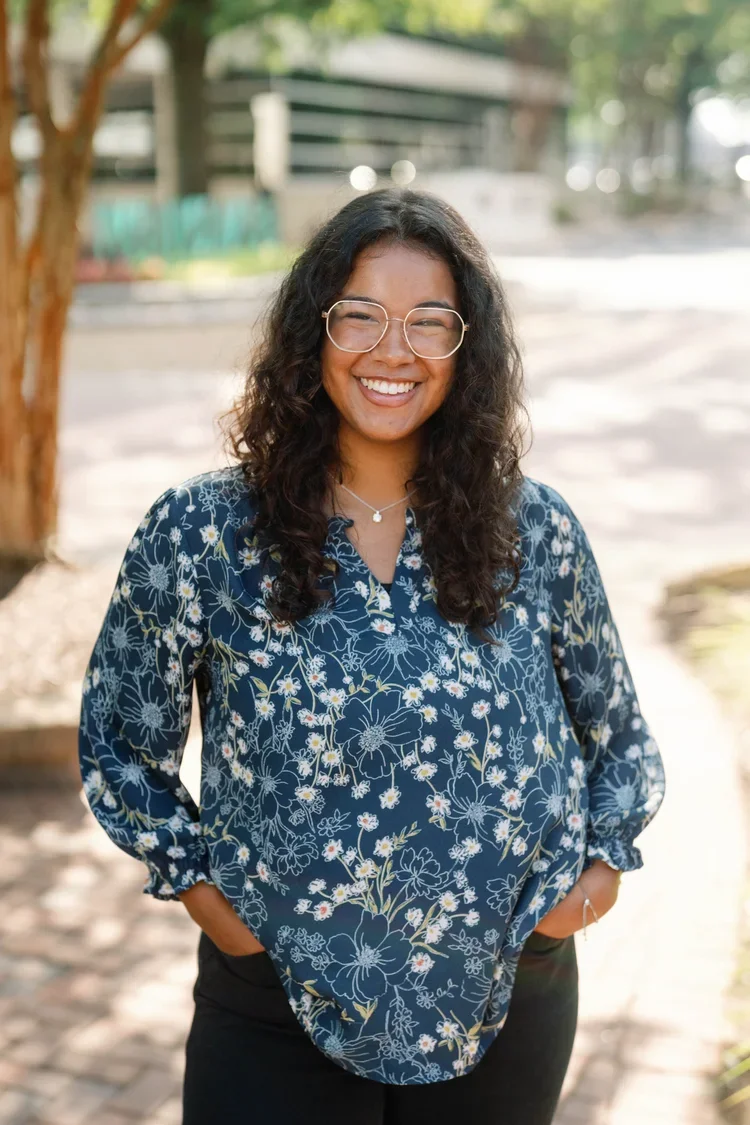
Hailee Willis, RDN, LDN
NUTRITION THERAPIST & SUPERVISOR
-
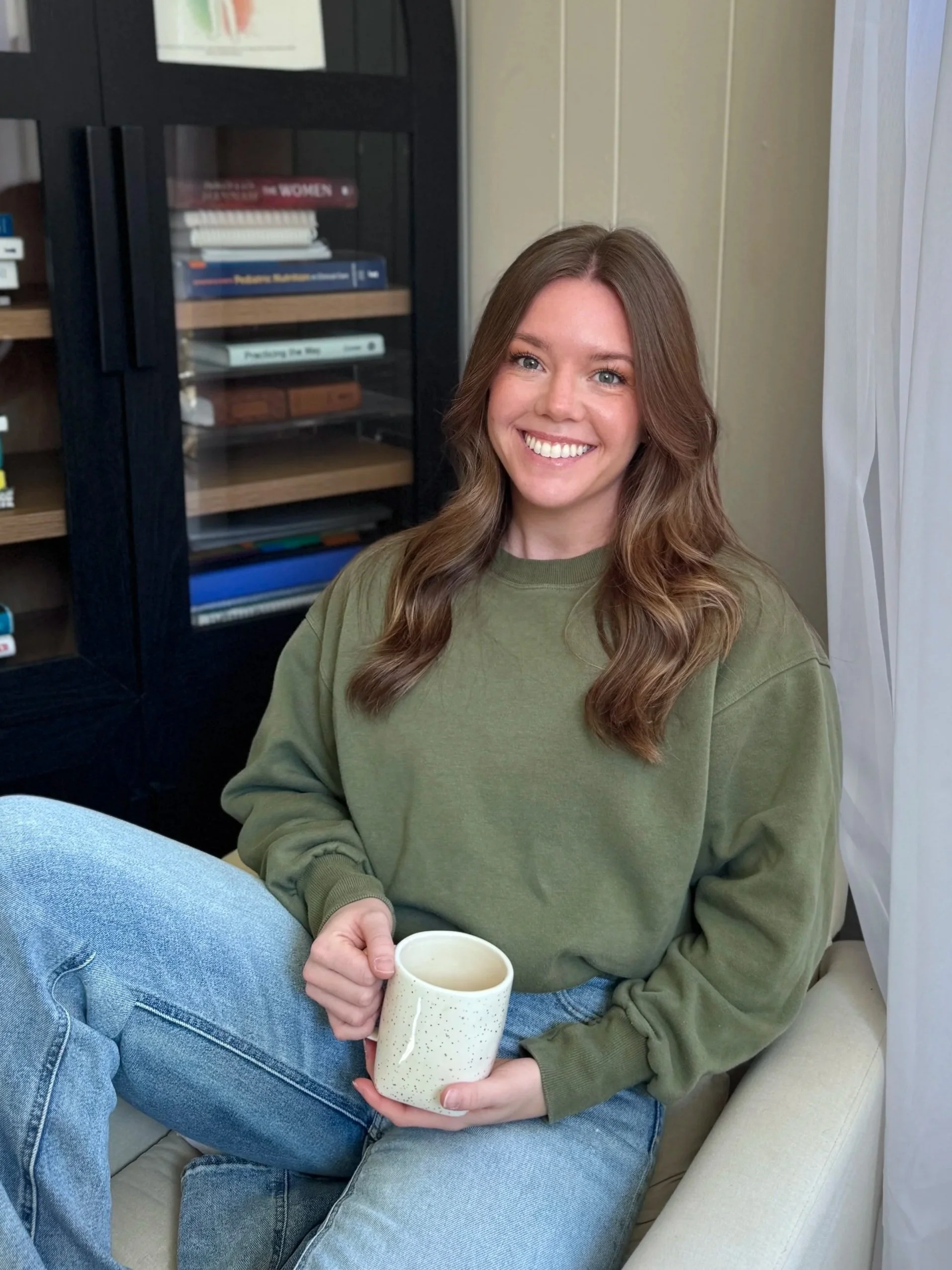
Katie Schwartz, MS, RDN, LDN
NUTRITION THERAPIST & SUPERVISOR
-
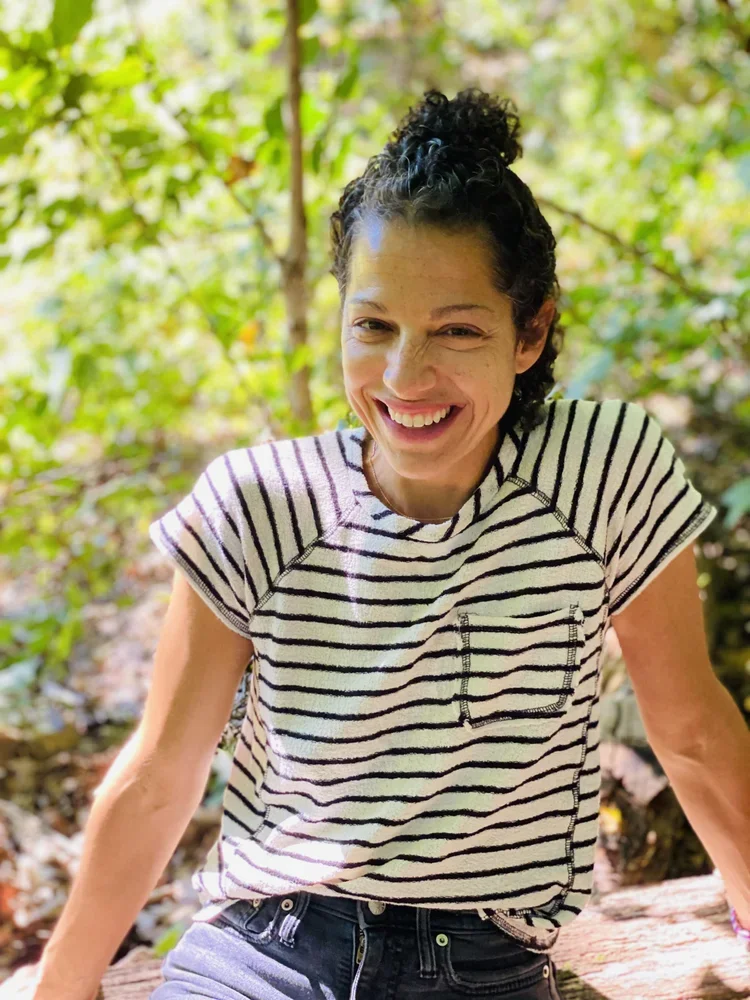
Katrina Seidman, MS, RDN, LDN
NUTRITION THERAPIST
-
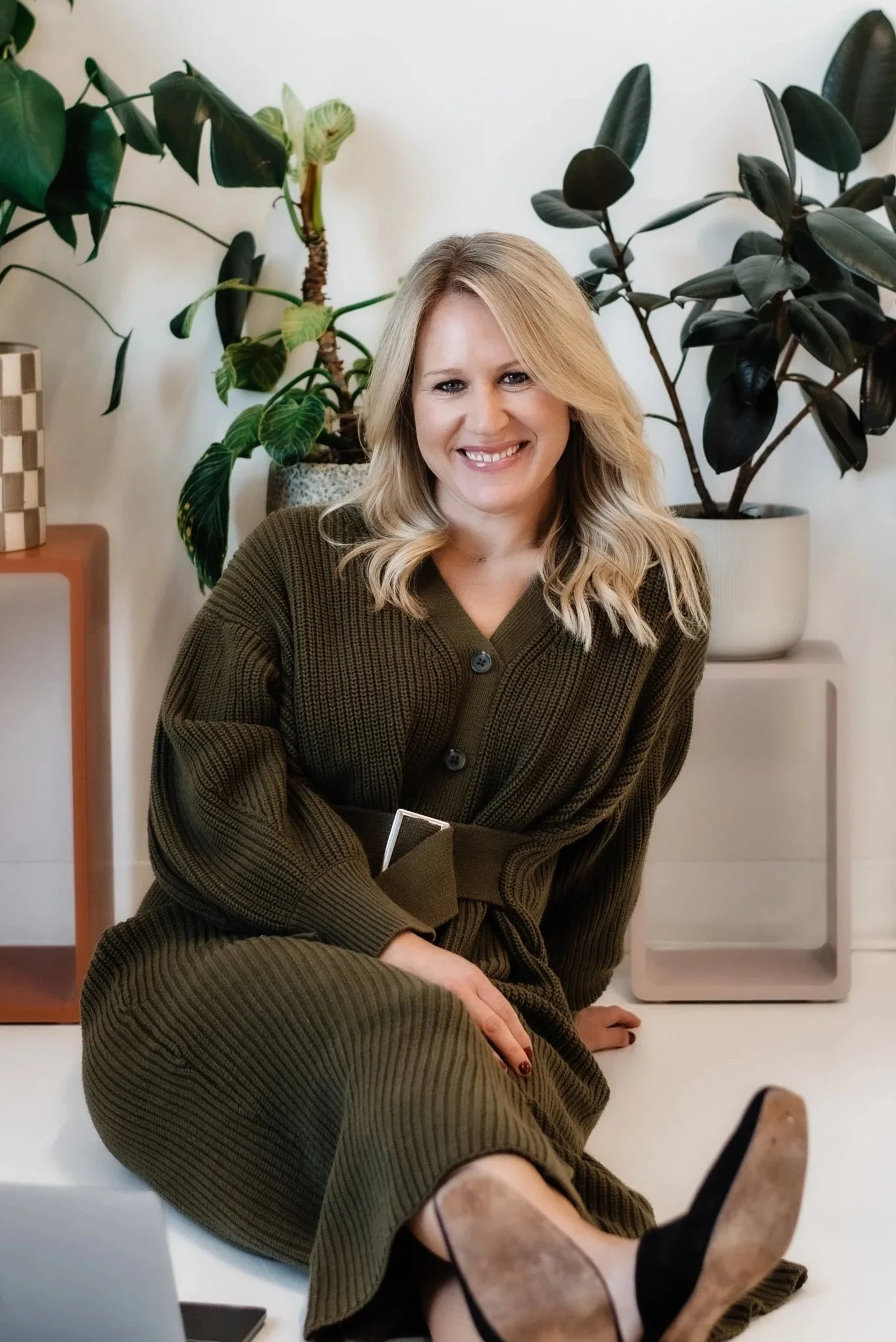
Maureen Gately, MS, RDN, CEDS
NUTRITION THERAPIST & SUPERVISOR
-
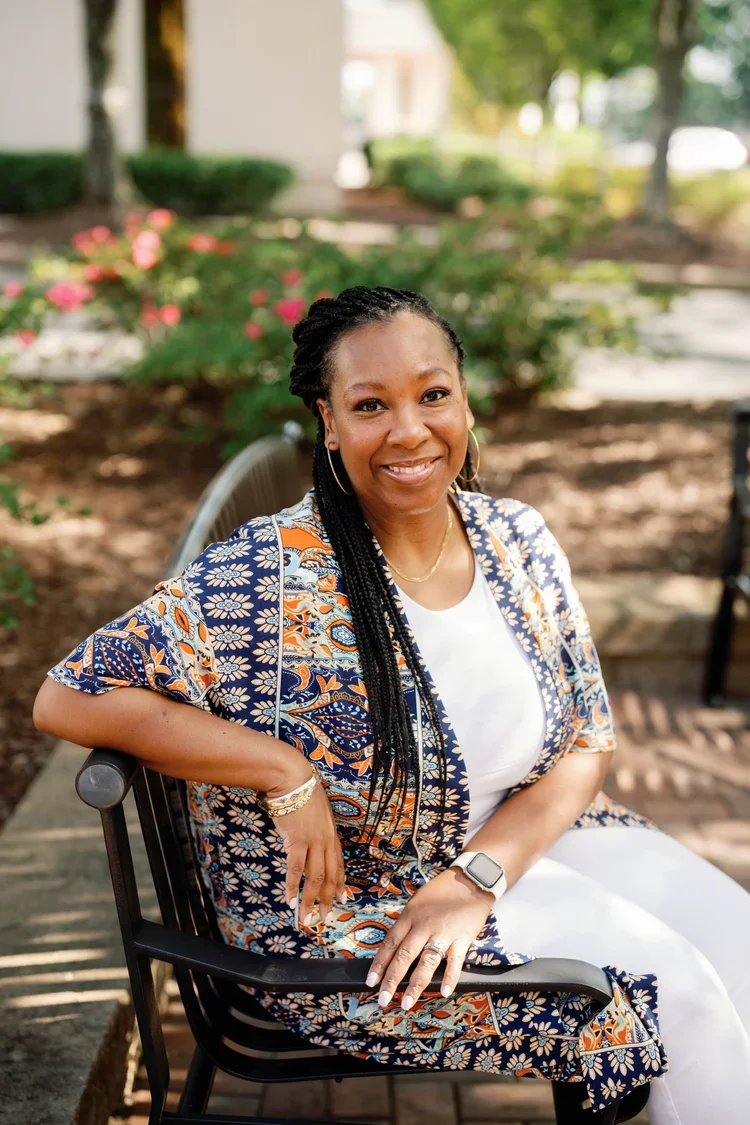
Autumn Turner
PRACTICE MANAGER
Frequently Asked Questions
-
Yes. We are in-network with many BCBS and Aetna plans. If we are out-of-network for you, we can provide superbills for possible reimbursement. We also offer self-pay options.
-
We provide virtual sessions to clients located in states where our clinicians are legally able to practice.
This includes : Alaska, Arizona, California, Colorado, Connecticut, Hawaii, Idaho, Indiana, Massachusetts, Michigan, New Hampshire, New York, North Carolina, Oklahoma, Oregon, Pennsylvania, South Carolina, Texas, Utah, Vermont, Virginia, Washington, West Virginia, Wisconsin, Wyoming
-
We specialize in eating disorders, disordered eating, chronic dieting, body image distress, and trauma-informed nutrition care, including work with CPTSD and dissociation.
Read more about each dietitian’s special interests here
-
Yes, however, we practice from a weight-inclusive lens. We do not prescribe weight loss as a goal, but we can explore health concerns, nutrition behaviors, and medical needs in a way that centers well-being rather than body size.
Read more about our approach here.
-
You don’t need a diagnosis to reach out. If food, body image, or eating patterns are taking up space in your life, that’s enough.
-
With your consent, yes. We value collaborative care, especially when trauma or complex mental health concerns are involved.